Brushing and flossing are the two habits that decide how much dental work you will need over a lifetime. The good news: small technique changes make a bigger difference than switching toothpaste brands.
Brushing, step by step
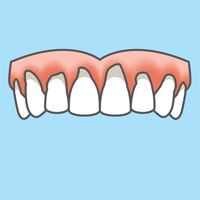
Use a soft-bristled brush and a pea-sized amount of fluoride toothpaste. Hard bristles and heavy pressure wear away enamel and push the gumline back — they do not clean better.
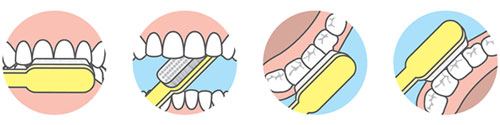
- Angle the bristles 45 degrees toward the gumline, where plaque collects.
- Use short, gentle strokes or small circles — let the bristles do the work.
- Spend a full two minutes: 30 seconds in each quarter of the mouth.
- Brush the chewing surfaces and the tongue side of every tooth, not just the front.
- Finish by brushing your tongue to cut down on bacteria and bad breath.
Flossing, step by step
Brushing cleans about three of the five surfaces on each tooth. Flossing reaches the two that cause most cavities between the teeth.
- Use about 18 inches of floss, wound around your middle fingers.
- Guide it gently between the teeth — never snap it into the gums.
- Curve the floss into a C-shape against one tooth and slide it just under the gumline.
- Repeat against the neighboring tooth, then move to a fresh section of floss.
- Do not skip behind the last molars.
Common mistakes we see
Bleeding gums usually mean you need to floss more consistently, not less. If bleeding continues after a week or two of daily flossing, let us take a look.
Rinsing vigorously with water right after brushing washes away the fluoride before it can work. Spit, don't rinse.